
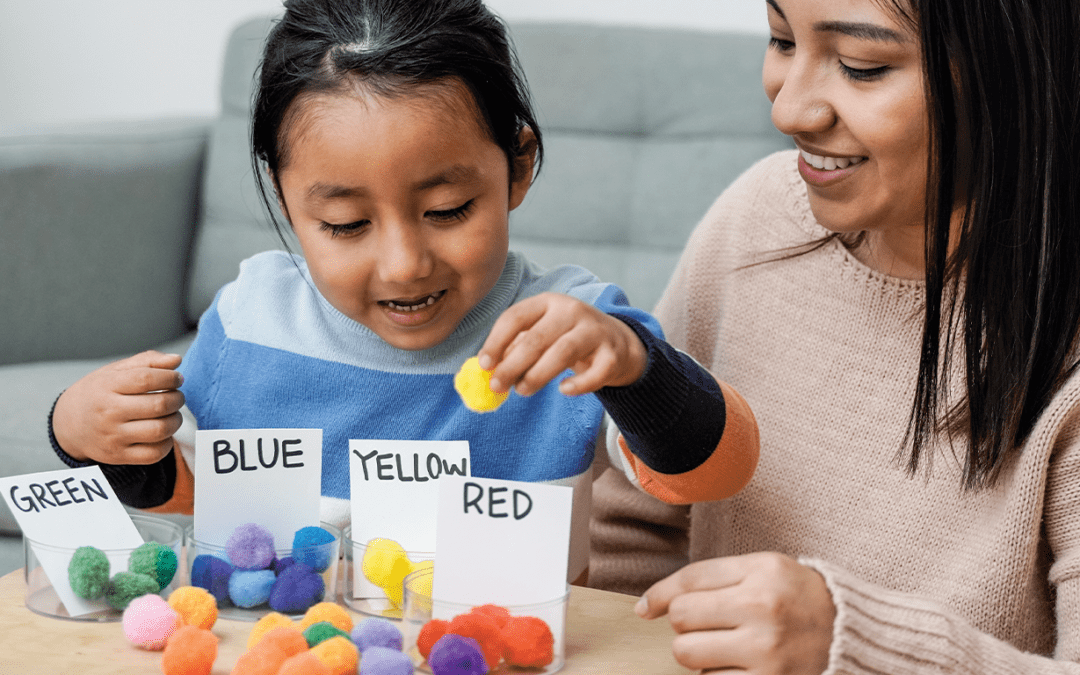
It can be painful to wonder whether your child is simply taking more time to adjust or whether their preschool environment may not be meeting their needs. Many parents notice things like repeated meltdowns, difficulty joining group activities, trouble with transitions, or frequent reports that their child is struggling, and then find themselves asking a hard question: is this just a phase, or is something about this setting not the right fit?
If you are asking that question, you are not alone. Some children truly do better with more individualized support, a different classroom structure, or a team that understands their social, emotional, communication, or developmental needs more deeply. A traditional preschool setting is not the right fit for every child, and that does not mean your child is failing. It may simply mean they need an environment that meets them where they are.
This article walks through common signs that a child may need more individualized support, how to tell the difference between normal preschool variation and more persistent concerns, what kinds of challenges can show up socially, emotionally, or developmentally, and what next steps parents can take if they are worried. The goal is to help you feel more clear, more supported, and more confident about what to look for and when to seek help.
Key Takeaways: When a Traditional Preschool Isn’t the Right Fit
- Some struggles point to a mismatch, not misbehavior: Ongoing difficulty with communication, group participation, transitions, or emotional regulation may be signs that your child needs more individualized support.
- Patterns matter more than isolated moments: All preschoolers have hard days, but persistent challenges that affect learning, play, or relationships deserve a closer look.
- The right support can change a child’s experience: Early identification can help families better understand what is going on and connect children with tools, services, or school settings that fit them more effectively.
- You do not have to figure it out alone: Observations from parents, teachers, and specialists can help clarify whether your child would benefit from an evaluation or a more supportive preschool plan.
Why Early Identification Changes Everything
The Critical Window for Intervention
The preschool years—roughly ages two to five—form a critical window for intervention that’s unlike any other time in a child’s development. During these years, the brain is rapidly growing and forging connections that shape everything from language to social skills to emotional resilience. When children show signs preschool is not the right fit, catching those signals early can genuinely change the course of their lives.
Research is clear: kids who get support for learning or developmental challenges during this window are much more likely to thrive later on, both in and out of the classroom1. To illustrate, consider the following statistic:
About 15-20% of young children exhibit some form of developmental delay or disability at this age, but fewer than half are recognized before kindergarten1.
That’s a huge number of kids who might be overlooked—unless we’re looking for those early clues. We see this in our own work every day. When families reach out early, sometimes after a teacher notices repeated meltdowns, communication struggles, or trouble joining group activities, we’re able to mobilize a personalized plan that truly meets each child where they are.
Early action gives us the best shot at building skills and confidence before academic and social demands ramp up. If you’re noticing persistent struggles, this is the time to trust your instincts and seek guidance. The earlier you act, the more options you have—and the more likely your child is to get back on track for a joyful, connected learning experience.
Next, let’s talk about how to distinguish between what’s within the range of normal for preschoolers and what might be a sign of a deeper developmental concern.
Normal Variation vs. Developmental Concern
It’s perfectly normal for preschoolers to develop at their own pace—one child might chatter nonstop while another prefers quiet observation. This wide range of growth can make it tricky to spot when something falls outside of typical development. So, how do you tell when those quirks are just part of being little and when they’re actually signs preschool is not the right fit?
Here’s a simple way to think about it: if your child is missing several age-expected milestones, or if their challenges make everyday participation hard, it’s time to take a closer look2, 3. To illustrate, most four-year-olds are using short sentences, showing interest in pretend play, and starting to share with friends. If your child rarely speaks, avoids group activities, or has trouble following simple directions, these could be early signals that deserve attention.
| Area of Development | Typical Variation | Potential Concern |
|---|---|---|
| Social Interaction | Shy at first; warms up to peers eventually. | Consistently avoids peers; ignores invitations to play. |
| Communication | Quiet in groups but chatty at home. | Difficulty following simple directions anywhere. |
| Flexibility | Occasional upset over big changes. | Intense distress over minor routine shifts. |
Of course, every child has tough days or goes through shy phases. Blips are part of growing up! What’s more concerning is when struggles are persistent and don’t improve over a few months, or if your child seems much different from peers in ways that affect social, emotional, or learning success2.
Trust your gut—families know their children best. If your concerns linger, reaching out for guidance can help clarify whether your child’s path is simply unique or whether they’d benefit from more specialized support. With the right team, you’ll know if it’s time to explore next steps.
Let’s look at some specific red flags that can tip you off when extra support might be needed.
Red Flags and Signs Preschool Is Not the Right Fit
Communication and Social Struggles
Preschool can be full of chatter, giggles, and budding friendships. When a child regularly stands apart—struggling to connect, express themselves, or join play—these may be signs preschool is not the right fit and that more individualized support is needed.
Children are expected to use simple sentences, answer basic questions, and show interest in other kids by age four3. If your child rarely speaks, echoes phrases without conversation, or seems lost when others talk, it could be more than shyness. Take, for example, a child who only points or grunts to communicate, or one who repeats TV jingles but doesn’t ask for help. These patterns suggest a need for closer observation and possibly an evaluation2, 3.
Social challenges can look like avoiding group activities, not responding to their name, or seeming unaware of other children’s feelings. Some kids may wander alone on the playground while peers play tag, or become extremely upset when routines change. Others might struggle to share, take turns, or make eye contact, even after gentle encouragement. For some, these are early markers of autism spectrum disorder, speech-language delays, or other developmental differences that benefit from tailored intervention7, 8.
As a parent or caregiver, your observations matter. If you notice these ongoing struggles and your child isn’t picking up new communication or social skills after a few months, it’s time to seek support. Early action can truly shift a child’s developmental path for the better1.
Next, we’ll explore how behavioral and emotional patterns can also point to the need for specialized support.
Behavioral and Emotional Regulation Patterns
Every preschooler has moments of big feelings or outbursts—meltdowns in the grocery store, tears over a lost toy, or the classic refusal to put on shoes. But when these emotional storms happen much more often or seem much bigger than what you see with other kids their age, it may be a clue your child needs more tailored support. These patterns can be real signs preschool is not the right fit for your child’s current needs.
Let’s look at what stands out: If your child is having intense tantrums that last more than 10-15 minutes, shows ongoing difficulty calming down even with soothing, or switches moods dramatically with little warning, these aren’t just typical preschooler ups and downs. To illustrate, we’ve worked with children who react with aggressive hitting or biting when frustrated, or who get so overwhelmed by transitions that they’re unable to rejoin class for long stretches. These aren’t signs of “bad behavior”—they’re indicators that your child’s brain is still learning to manage big feelings, and they may need different strategies and more support5, 6.
Another red flag is if your child seems stuck in a cycle of arguing, defying adult requests, or purposely annoying others, even after clear and consistent boundaries. Oppositional patterns like these—especially if they’re getting worse or affecting relationships—can sometimes point to underlying conditions such as Oppositional Defiant Disorder or ADHD, which are best addressed with early, multidisciplinary help9, 5.
Remember, you are not alone. Many families experience these struggles, and seeking specialized help is a sign of strength, not failure. If these behavioral or emotional patterns persist for several months and make daily routines or friendships harder, it’s time to reach out for evaluation and support.
Next, we’ll help you understand how executive function delays can also impact your child’s preschool experience.
How Learning, Attention, and Regulation Challenges Can Affect Preschool Fit
If you’ve noticed your child struggling with organization, impulse control, or following through on tasks, you might be wondering about executive function delays. Understanding what these are—and what you can do—is the first step toward helping your child thrive. This article will help you recognize the signs, understand why these challenges occur, and know when to seek professional support.
What Are Executive Function Delays?
Executive function refers to a set of mental skills that help us plan, focus attention, remember instructions, and manage multiple tasks at once. Think of these abilities as the brain’s management system. They’re what allow us to organize our thoughts, control impulses, and work toward goals even when distractions pop up.
When children experience executive function delays, these critical skills develop more slowly than expected for their age. A seven-year-old might struggle with tasks that come naturally to most peers, like remembering to bring homework home or transitioning between activities without becoming upset. These delays don’t reflect intelligence or effort. They’re neurological differences in how the brain processes and executes tasks.
The Three Core Areas
The challenges show up differently depending on which executive function skills are affected:
- Working Memory: This makes it hard to hold information in mind long enough to use it. To illustrate, your child might forget the second half of directions before completing the first step.
- Cognitive Flexibility: Children may become stuck on one way of doing things or have meltdowns when routines change unexpectedly.
- Inhibitory Control: This leads to difficulty stopping and thinking before acting. These are the kids who blurt out answers, interrupt conversations, or make impulsive choices they later regret.
Why Progress Feels Inconsistent
What makes executive function delays particularly confusing is their inconsistency. Your child might handle complex video game strategies brilliantly but can’t seem to organize a backpack. This isn’t defiance or laziness. Different situations place different demands on executive skills, and motivation or interest can temporarily boost performance in preferred activities.
It’s also important to understand that executive function skills continue developing well into the twenties. The prefrontal cortex, where much of this processing happens, is among the last brain regions to fully mature. This means some apparent delays are actually variations in normal development, while others signal a need for targeted support.
Many conditions can affect executive function development. ADHD is perhaps the most commonly associated diagnosis, but autism spectrum disorder, anxiety, learning disabilities, and mood disorders can all impact these skills. Sometimes executive function challenges exist independently, without another diagnosis attached.
You might feel like you’re nagging constantly or that nothing you try helps your child get organized or complete tasks independently. These feelings are completely understandable after months or years of daily struggles. Understanding that these difficulties stem from developmental delays rather than character flaws changes everything. It shifts the focus from blame to support, from punishment to skill-building. With proper evaluation and intervention, children can develop strategies that work with their brain’s unique wiring rather than against it.
So what does this mean for you and your child?
Creating Your Assessment Plan When Preschool Is Not the Right Fit
Questions to Ask About Your Child’s Fit
When you’re worried about whether your child is thriving in their current preschool, it helps to step back and ask a few focused questions. Start by reflecting on daily life:
- Does your child seem happy to go to school most days?
- Are they able to participate in group activities with some enjoyment, or do you often hear about them sitting out, wandering, or feeling left out?
- Do teachers mention repeated challenges—difficulty with transitions, struggles to follow directions, or frequent meltdowns?
- How often does your child meet expected milestones for their age, such as using sentences, playing pretend, or responding to their name?3
It’s also important to consider your own gut feelings. Are you spending more time advocating for accommodations than celebrating your child’s progress? Do you feel like you’re always on alert for the next problem? These can be subtle but powerful signs preschool is not the right fit for your child’s unique needs1.
If these questions raise concerns, you’re not alone. Honest answers will help clarify if it’s time to ask for support or pursue a more individualized approach.
Next, we’ll map out how to move from these questions to a concrete evaluation plan.
Building Your Evaluation Timeline
Once you notice possible signs preschool is not the right fit, having a clear evaluation timeline can make the process less overwhelming. The first step usually involves reaching out to your child’s pediatrician or a trusted developmental specialist, who may recommend a screening tool or brief assessment. Many pediatric clinics now use universal screening at regular checkups, which helps catch concerns earlier3.
If initial results suggest your child needs a deeper look, the next phase is a full evaluation. This often includes a mix of observations, parent interviews, and standardized testing—tailored to your child’s age and challenges. While every situation is unique, most families can expect this stage to unfold over a few weeks to a couple of months, depending on the availability of specialists and the depth of assessment needed1.
To illustrate, if your child is struggling with language, you might see a speech-language pathologist first, followed by visits with psychologists or occupational therapists if broader concerns show up. Staying organized with a checklist and keeping a log of behaviors or teacher feedback can really help you and the team track progress.
Remember, early action leads to better outcomes. The sooner you start the evaluation process, the more support options you’ll have for your child’s next steps1.
Up next, we’ll walk through how to use these findings to create a personalized plan for your child.
Frequently Asked Questions
What’s the difference between a developmental screening and a comprehensive evaluation?
A developmental screening is a short, standardized tool—think of it as a quick checkup for your child’s growth in areas like language, movement, and social skills. Most pediatricians use these at regular visits to flag any early concerns3. If screening shows some red flags, a comprehensive evaluation dives much deeper. This type of assessment looks at your child’s strengths and challenges across multiple domains using interviews, observations, and formal testing.
Screening helps spot kids who might need further help, while a comprehensive evaluation provides detailed answers and tailored recommendations1. Both play important roles when you’re seeing signs preschool is not the right fit for your child.
Can my child receive support services while staying in their current preschool?
Absolutely! Many children can receive support services—such as speech therapy, occupational therapy, or behavioral interventions—while continuing in their current preschool. Some preschools are open to collaborating with outside therapists who provide services during the school day or after hours, especially if the school values inclusion and individualized growth.
To illustrate, we’ve helped families set up in-school speech therapy or coordinated with teachers to use specific classroom strategies for a child showing signs preschool is not the right fit. Even if your preschool doesn’t offer direct services, you can often access early intervention through local agencies or private providers, and bring those recommendations back to your child’s teachers for extra support3.
Open communication with your preschool and care team is key—the more everyone works together, the more likely your child will feel understood and set up for success.
How do I know if my child’s struggles are related to anxiety versus a developmental delay?
This is such a common—and confusing—question for families. Anxiety in preschoolers often shows up as clinginess, tearfulness at drop-off, or avoiding new situations, but these kids usually warm up once they feel safe and routines are predictable. In contrast, a developmental delay tends to look like persistent struggles with key milestones: delays in language, trouble playing with peers, or difficulty following simple directions, regardless of changes in environment34.
To illustrate, a child with anxiety might resist group activities but can participate with gentle encouragement or familiar routines. A child with a developmental delay may need ongoing help to understand or join in, even with lots of support. If you’re noticing signs preschool is not the right fit and aren’t sure which is at play, a comprehensive evaluation can help tease apart the reasons and guide your next steps13.
What should I do if my preschool teacher suggests evaluation but I’m not sure my child needs it?
It’s completely normal to feel unsure if your preschool teacher suggests an evaluation. You know your child best, and your perspective matters just as much as the teacher’s. Start by having an open conversation with the teacher about their specific concerns—ask for concrete examples and share what you see at home. Sometimes, what looks like signs preschool is not the right fit at school may not show up in other settings, or vice versa.
Keep in mind that an evaluation doesn’t mean labeling—it’s simply a way to understand your child’s strengths and needs better, so you can make informed decisions as a team. Early checks often lead to more tailored support if needed, or reassurance if everything is on track3. No matter what, trust your instincts and remember: evaluation is just information, not a commitment to any particular path.
Will my child be labeled if we pursue testing at this young age?
Many families worry that seeking testing will “label” their child, but it’s important to know that early evaluation is a tool, not a sentence. Labels can feel scary, but in our experience, a clear assessment often opens doors to support and understanding—not stigma. Most young children showing signs preschool is not the right fit actually benefit from having their needs recognized early, so teachers and caregivers can offer the right help1.
To illustrate, when a child receives a diagnosis or even just a description of their learning style, it often means more tailored classroom strategies, extra encouragement, and less frustration all around. Remember, a label isn’t permanent or all-defining—it’s just a starting point for building a plan that fits your child’s strengths and needs.
How can I support my other children when one child needs more intensive services?
When one child needs more intensive services, it’s easy to worry about your other kids feeling left out or overlooked. Making space for their feelings is crucial—sometimes siblings act out or become extra quiet as they try to adjust. Try to set aside regular “just us” time with each child, even if it’s just five minutes reading a favorite book or chatting about their day.
Invite siblings to ask questions about their brother or sister’s support needs, and answer in simple, honest language. To illustrate, we’ve seen families thrive when everyone gets to share feelings—maybe through drawing, talking, or a sibling support group. Many families notice siblings become more empathetic and resilient when included in conversations and routines. Prioritizing open communication and special one-on-one moments goes a long way in helping the whole family feel supported when signs preschool is not the right fit for one child6.
Conclusion
Signs It’s Time to Seek an Evaluation
While every child develops at their own pace, certain patterns suggest executive function delays that warrant professional assessment:
- Persistent difficulty starting tasks despite understanding what needs to be done and having the necessary skills
- Emotional meltdowns over seemingly minor transitions or changes to routine that seem disproportionate to the situation
- Chronic disorganization that doesn’t improve with repeated reminders, organizational systems, or consequences
- Inability to learn from experience where your child makes the same mistakes repeatedly without adjusting their approach
- Significant gap between ability and performance where you know your child is capable but they consistently underperform
If you’re seeing several of these patterns consistently across different settings—home, school, and social situations—an evaluation can provide clarity and direction.
Your Next Steps: Getting the Right Support
Executive function delays don’t define your child’s potential. They simply highlight areas where your child needs different strategies, more time, or additional support to succeed.
With the right assessment and intervention, children can build these critical skills and learn to work with their unique brain wiring rather than against it. The key is getting an accurate evaluation that identifies specific areas of challenge, whether that’s working memory, emotional regulation, planning abilities, or a combination of factors.
From there, treatment becomes personalized. Some children benefit from structured therapy that teaches concrete organizational strategies. Others thrive with academic coaching that breaks down complex tasks into manageable steps. Many need a combination of approaches that address both the cognitive and emotional aspects of executive function.
When families finally understand what’s been holding their child back, the relief is palpable. There’s a reason behind the struggles and, more importantly, a path forward.
If you’re concerned about your child’s executive functioning, start by contacting a neuropsychologist or developmental pediatrician who specializes in childhood executive function. A comprehensive evaluation typically involves cognitive testing, behavioral observations, parent and teacher questionnaires, and a detailed developmental history—usually completed over 4-6 hours across one or two sessions. When you call to schedule, ask: “What specific executive function assessments do you use?” and “How will the results translate into actionable recommendations for home and school?”
Reaching out for evaluation is a powerful first step toward meaningful change.
References
- How to Recognize Signs of Potential Learning Disabilities in Preschool. https://www.edutopia.org/article/recognizing-signs-potential-learning-disabilities-preschool/
- Child Development at 3-4 Years. https://raisingchildren.net.au/preschoolers/development/development-tracker/3-4-years
- Milestones by 4 Years | Learn the Signs. Act Early. https://www.cdc.gov/act-early/milestones/4-years.html
- How to Ease Your Child’s Separation Anxiety. https://www.healthychildren.org/English/ages-stages/toddler/Pages/Soothing-Your-Childs-Separation-Anxiety.aspx
- Differentiating Symptoms of ADHD in Preschoolers: The Role of Executive Function and Emotion Regulation. https://pmc.ncbi.nlm.nih.gov/articles/PMC9104514/
- Understanding Emotional Development. https://chadd.org/adhd-news/adhd-news-caregivers/understanding-emotional-development/
- Early Detection for Autism Spectrum Disorder in Young Children. https://cps.ca/en/documents/position/asd-early-detection
- Signs of Autism. https://www.autismspeaks.org/signs-autism
- Frequently Asked Questions: Oppositional Defiant Disorder. https://www.aacap.org/aacap/Families_and_Youth/Resource_Centers/Oppositional_Defiant_Disorder_Resource_Center/FAQ.aspx
- A Guide to Executive Function. https://developingchild.harvard.edu/resource-guides/guide-executive-function/